Most homemade pizza falls short not because of technique or equipment, but because of time. Fermentation – the slow, yeast-driven transformation that happens inside your dough – is what separates a flat, bland crust from one with real depth of flavor, a blistered surface, and that satisfying chew you get at a good pizzeria. This article covers what fermentation actually does to dough, how temperature controls the pace of that process, and how to pick a schedule that fits your week.
Why Fermentation Changes Pizza Dough So Much
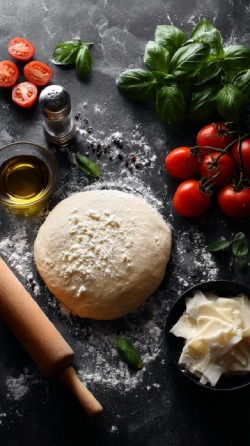
At heart, fermentation is a biological process in which yeast feeds on sugars available in flour and afterward produces carbon dioxide and alcohol as byproducts. The gas bubbles are kept confined within the gluten network, the protein web that arises where water and flour intermix, thereby producing the airy open crumb structure sought after in great bread crusts.
There is more to it than just the generation of gas. Enzymes of the flour go about using the breakdown of starch into simple sugars and, depending on the length of fermentation or, rather, proofing time, sometimes break down medium-length protein chains into even smaller ones. Hence a well-fermented dough actually feels the way bakers describe it. Hamas-stretchy tough with no snap-back, draping easily onto moister, more mobile knuckles and holding shape once shaped. Under-fermented dough fights back all the way.
All this makes the bread taste more intriguing. Extended fermentation goes a long way to produce organic acids, acetic and lactic acids, inducing the slightly acidic complex taste that quick 30-minute proof fails to generate. The two acids also present indirect benefits, for instance; oven-browning improved their proteins by reacting with some of these acids through baking.
Therefore, when the dough is set in the refrigerator, yeast activity is cooled down enough that digestion and gluten structure relax in time and improve the flavor. Controlling is ultimately making it far easier to handle and dough whisper its greatest form of unsung praise-real crusty chew and a good color.
How Time Shapes Flavor, Texture, and Handling
Fermentation length is probably the single biggest variable most home bakers underestimate. A few extra hours in the fridge can mean the difference between dough that tears when you stretch it and dough that practically opens itself.
Same-day dough, fermented 4 to 6 hours at room temperature, is workable but mild. Yeast activity is brisk, gluten hasn't fully relaxed, and the flavor stays relatively flat. You'll get pizza, but it won't have much depth.
At 24 hours in the fridge, things shift noticeably. Slower fermentation gives enzymes time to break down proteins and starches, which produces better extensibility and a slightly tangy, more complex aroma. Shaping becomes easier, and the baked crust has more chew without feeling dense.
The 48-hour cold ferment is where most serious home cooks land. Flavor is noticeably richer, the crumb opens up more, and browning improves because fermentation generates sugars that caramelize in a hot oven.
Push beyond 72 hours and the dough starts working against you. Gluten begins to degrade, the dough turns slack and sticky, and there's a real risk of overproofing – that gummy, flat result nobody wants. Some bakers go 4 or 5 days with high-salt, low-yeast formulas, but that requires careful calibration. For most people, 48 hours hits the sweet spot.
How Temperature Controls Speed and Results
Yeast operates as a living thermostat. At most, at room temperature (approximately 70°F–75°F), it speeds and consumes sugars, and produces carbon dioxide as a consequence of fully fermenting the dough in 4 to 6 hours. And while that speed is well-suited for convenience, it is hardly long enough for superb complex flavors to develop.
When dough is set in a refrigerator at 38°–40°F, fermentation is greatly arrested. Yeast will not sleep but shall operate at sluggish speeds, and during all this extended timeline, flavors will only build up. Acids, alcohols, and aromatic compounds all combine from 24 to 72 hours apart from a swift rise at room temperature.
A hot kitchen-warm summer baking in excess of 80°F-will make the fermentation of an 8-hour dough too quick, perhaps to completion within 5 hours. In any case, you could always reduce your yeast by 20%-25% lest your dough will reek and be sloppy and rip instead of stretch.
There are certain characteristic responses of underproofed dough that tell you: it is tight, springy, and seems to resist shaping. Press and it gives away, hence being described as collapses when underproofed and having a faint sour or alcoholic smell. Look at the dough, not just the clock. If the dough doubles and is jiggly, it is ready no matter whether two or six hours have passed.
How to Build a Fermentation Schedule That Fits Your Pizza Night
Three realistic schedules cover most home situations, and choosing the right one mostly comes down to how much time you have.
Same-Day Dough (4–6 Hours)
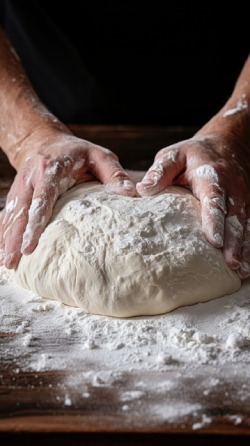
Mix your dough in the morning, let it bulk ferment at room temperature for 3–4 hours, then divide and ball it. Give the balls another hour to relax before stretching. Flavor will be mild and yeast-forward, but the texture is workable and the crust will still puff nicely.
Overnight Dough (12–16 Hours)
Mix the evening before, bulk ferment at room temperature for 1–2 hours, then refrigerate overnight. Pull the dough 2 hours before baking to warm up. You'll notice more complexity in the flavor and better extensibility when stretching.
48- to 72-Hour Cold Ferment
Mix, do a short 1-hour room-temperature rest, then cold-store immediately. Divide and ball on day two or three, then warm for 2 hours before baking. This produces the deepest flavor and the most open, airy crumb.
Quick Troubleshooting
Sticky dough usually means too much hydration or under-developed gluten – a 10-minute rest often fixes it. Weak rise points to old yeast or a cold kitchen; try a warmer spot. Dense crust typically means under-fermentation, so extend the bulk time next round. Dough that snaps back when you stretch it just needs another 20–30 minutes of rest.
Good Fermentation Turns Home Pizza Into Great Pizza
Time and temperature are the two levers you control, and altering either of them will likely result in a noticeably different dough as seen, felt, and baked. A cold ferment of more time allows flavor compounds to exist that a quick same-day dough just cannot develop. Warmer proving speeds yeast activity and alters the crumb structure. Even shifting from a 4-hour room-temperature rise to an overnight refrigerator rest will yield a noticeable improvement in extensibility, better browning, and an amazing depth of flavor that hurts your senses because you wonder why you would have rushed it. A little change in here produces such a big result. Have one long fermentation, say 24 or 48 hours in the fridge, and then observe how the dough stretches, how it smells, and how the crust colors in the oven. This one experiment will teach you more about dough than an entire set of recipe instructions.
With the kind support from

Recipes







Explore More
- Authentic Neapolitan Pizza Recipes & Tradition at La Piazza Al Forno
- Cooking Tips, Techniques, and the History of Your Favorite Recipes
- The Secrets Behind Authentic Neapolitan Pizza Dough
- How to Build a Perfect Backyard Pizza Oven for Homemade Pizzas
- Differences Between Fresh and Aged Mozzarella - How to Choose the Right One
- Master the Art of Pizza Making with Our Recipes at La Piazza Al Forno
- Meet Us